Preserving Character, Enhancing Function: Finding Balance in Heritage Architecture
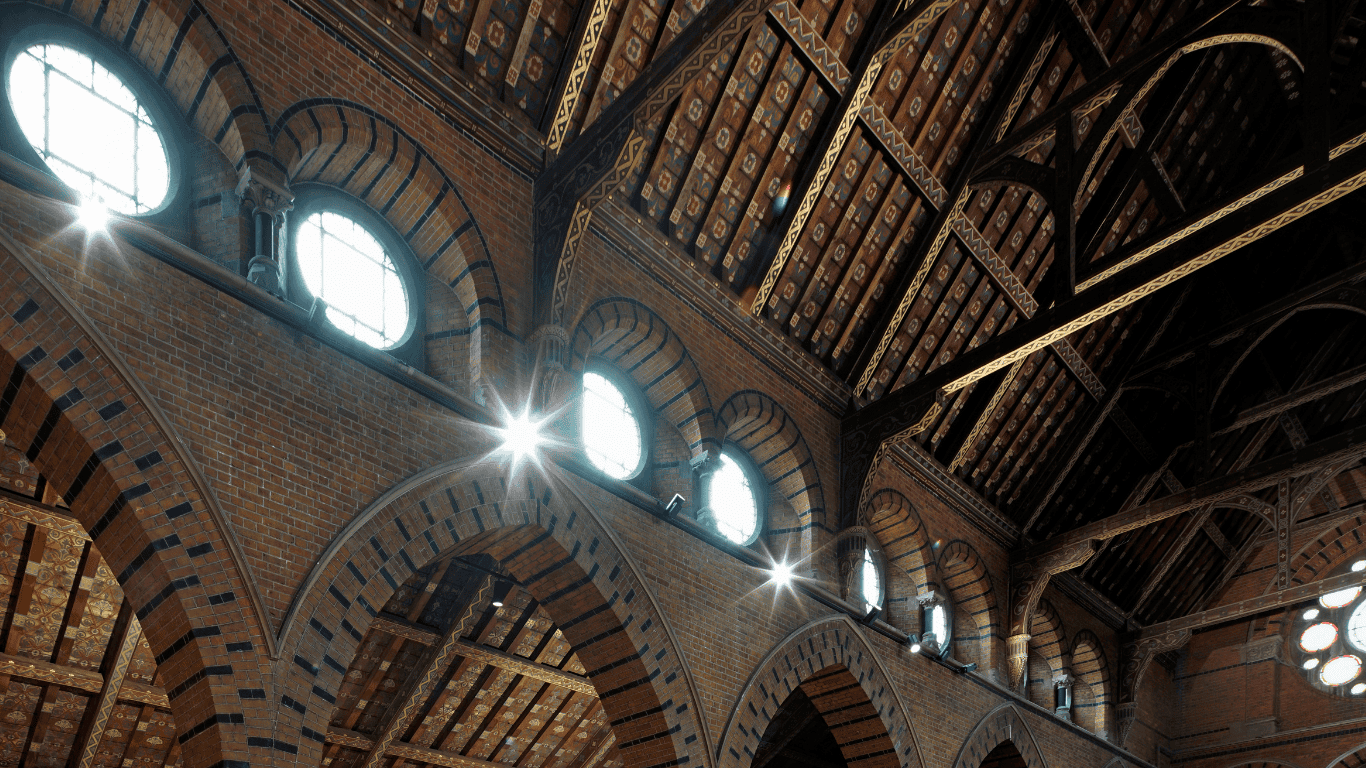
Historic buildings were not designed with today’s building regulations, environmental expectations, or patterns of use in mind. Yet they remain some of the most valued elements of our built environment. The challenge facing architects, engineers and heritage specialists is how to ensure these buildings continue to function safely and efficiently without compromising the character that makes them significant.
This tension between conservation principles and modern performance is often framed as a conflict. In reality, the most successful heritage projects show that careful analysis, sensitive design and informed decision-making can reconcile the two.
The Myth of the “Modern Solution”
One of the most persistent assumptions in refurbishment projects is that modern technology automatically delivers better performance. This belief is especially common when discussions turn to heating, insulation and windows. The instinctive response is often replacement: remove historic fabric and install contemporary alternatives promising improved thermal efficiency. However, this approach frequently overlooks two important factors: embodied carbon (the carbon emitted during the extraction of raw materials, manufacturing, transportation and installation of building products) and longevity.
Traditional timber sash windows, for example, regularly last well over a century when properly maintained. In contrast, many modern replacements have significantly shorter service lives and are far more difficult to repair. This is where embodied carbon becomes important too. Replacing original elements prematurely can create a far greater environmental impact than maintaining and upgrading what is already there. The result can be a cycle of repeated replacement that ultimately undermines both sustainability and heritage value.
In many cases, targeted upgrades can deliver significant improvements without sacrificing historic fabric. Draught-proofing, secondary glazing and careful repair can enhance thermal performance while retaining original materials. Heritage buildings rarely need to behave like new ones. Instead, the aim should be to improve performance while respecting the building’s original logic.
Looking Beyond Individual Components
Conversations about heritage performance often focus on individual elements – most commonly windows or insulation. In reality, historic buildings function as interconnected systems. Interventions that focus narrowly on one component can create unintended consequences elsewhere. Insulating walls without addressing ventilation, for example, may trap moisture and damage historic fabric. Similarly, overly aggressive upgrades can interfere with the natural way traditional buildings manage heat and humidity.
A more effective strategy is a holistic approach, where a combination of modest measures – improved heating systems, better building management, draught reduction and discreet secondary glazing – collectively enhance performance without disrupting the building’s character.
Safety and Long-Term Maintenance
Performance is only one part of the equation. Safety considerations also play a crucial role in heritage design. Many historic buildings were constructed in an era when labour was cheap and life expectancy was low so they were rarely designed with the future in mind. Nowadays, when working with historic structures, it is essential to consider not only current use but also how the building will be maintained in the future.
Seemingly small interventions – such as improving roof access or maintenances routes – can make a significant difference to long-term safety and maintenance. Fire safety is another growing priority, particularly as regulatory frameworks evolve. Integrating modern fire strategies into historic buildings requires careful planning to ensure safety improvements do not compromise architectural integrity.
Accessibility Challenges
Accessibility is another common challenge. Historic buildings often contain narrow stairs, uneven levels and constrained circulation routes that predate modern standards. Improvements might be challenging, but not impossible: more often than not they require lateral thinking. Sensitive interventions – such as discreet ramps, well-positioned lifts or subtle internal reconfiguration – can significantly improve access while preserving important architectural features. The key is understanding the building’s hierarchy of significance and ensuring that changes occur in the least sensitive areas.
Security and Environmental Considerations
Modern security expectations must also be addressed in heritage settings. Principles such as Secured by Design can be applied effectively, but typically through discreet, small-scale measures rather than dramatic alterations. Improved lighting, thoughtful landscape design and enhanced locking systems can strengthen security without detracting from historic character.
Heritage buildings also face practical operational challenges. Churches, for example, often need to introduce modern facilities such as toilets or community spaces within structures that were never designed to accommodate them. Environmental considerations – from drainage requirements to wildlife management – can further complicate projects. Even something as commonplace as pigeon activity can require careful and sensitive design responses. Each historic building presents its own unique constraints, which means solutions must be tailored rather than standardised.
Managing Expectations
Technical challenges are only part of the heritage equation. Clients frequently arrive with strong opinions about how their building should evolve – sometimes influenced by sustainability trends or marketing ambitions. The role of the heritage professional is therefore partly educational. Explaining the long-term consequences of different interventions – both positive and negative – helps clients make more informed decisions.
Through dialogue and evidence, proposals can often be refined to reduce unnecessary interventions and protect historic fabric while still meeting practical requirements. In heritage projects, clear communication is often just as important as design expertise.
A Balanced Future for Historic Buildings
Keeping historic buildings in active use is one of the most sustainable outcomes for the built environment. Every structure that remains functional avoids the carbon cost of demolition and new construction while preserving cultural and architectural value. Achieving this requires a balanced mindset – one that respects conservation principles but also embraces thoughtful innovation where it is appropriate.
Historic buildings have always evolved over time. The role of today’s heritage professionals is to ensure that evolution continues carefully and intelligently. By balancing character with performance, it is possible to ensure that historic structures remain relevant, resilient and valued for generations to come.
At LEP, our Heritage team believe that if our historic buildings are to be effectively used and maintained they need an outlook that respects the past, but embraces the future.