
A Brief History of Heritage Preservation
Author: Megan Land
Walk down almost any street in Britain and you’ll pass a piece of protected history without noticing it. A church, a terrace, a war memorial, a Victorian gasworks turned into flats. Somewhere between 500,000 and 600,000 sites across the UK and Ireland carry legal protection today. That didn’t happen by accident, and it didn’t happen quickly. It’s the result of 150 years of campaigning and a handful of people who refused to let the past be quietly demolished. Here’s an overview of how we got here and why the fight is far from over…
It started with a £5 fine
In 1882, Parliament passed the Ancient Monuments Protection Act – the first serious attempt to legally safeguard Britain’s historic sites. It named 69 protected monuments and gave the government power to imprison anyone caught damaging one for up to a month, or issue a £5 fine (a hefty fine at the time).
After Lieutenant General Pitt Rivers was named the first Inspector of Ancient Monuments, it also created a job that still shapes how we think about heritage today, giving the whole idea of “protected heritage” some official weight for the first time.
Over the next century, five further Acts refined the system, building towards a clear structure: acquire important sites, take guardianship of them, and protect them by law. What started as a nice idea became something enforceable.
The impact of war
The 1932 Town and Country Planning Act – arguably the most significant piece of heritage legislation of the century – grew out of a very real post war fear: that Britain’s built history could vanish as fast as its landscape was changing. Meanwhile in Europe, the devastation of entire towns during the world wars turned memory and monuments into something deeply political. As early as 1907, international leaders meeting at The Hague had already agreed that occupying nations should protect historic buildings during conflict. It took two world wars to make that principle feel urgent rather than theoretical.
By 1990, all of this had consolidated into the Planning (Listed Buildings and Conservation Areas) Act – still the backbone of UK heritage law today. Each nation within the UK and Ireland now runs its own register: Historic England, Cadw, Historic Environment Scotland, Northern Ireland’s Historic Environment Record, and Ireland’s National Monument Service. England alone accounts for over 400,000 of the roughly 546,000 protected sites across the five nations, and 83% of those are listed buildings including terraces, shopfronts and townhouses that make up everyday streets, not just grand country estates.
Heritage Protection by The People
Governments didn’t do this alone. Some of the most important pressure came from ordinary people who cared enough to organise.
In 1877, horrified by what heavy-handed Victorian “restoration” was doing to old buildings, the artist and designer William Morris founded the Society for the Protection of Ancient Buildings (SPAB) alongside architect Philip Webb. Morris argued that decades of over-eager restoration had done more damage to Britain’s ancient buildings than centuries of war and neglect combined. He believed that once you’ve restored a genuinely old building, you’ve destroyed the historic fabric that made it valuable. SPAB is still active today, over 140 years later.
Then in 1895, three social reformers, Octavia Hill, Robert Hunter and Hardwicke Rawnsley, founded an organisation that placed a focus on protecting places for the benefit of the public, not just buildings. This is widely known today as the National Trust.
Both organisations proved something that heritage protection rarely comes from the top down. It’s driven by people who notice what’s at risk before anyone in power does.
A continued effort today
It’s tempting to think of heritage protection as a solved problem – a list of buildings, ticked off and safe forever but this is not the case.
Every year, Historic England publishes the Heritage at Risk Register, flagging sites in danger of being lost to neglect, decay, or bad development. The most recent edition, published in November 2025, listed 4,891 sites with. Within this 138 were newly added, but 129 removed for a genuinely good reason such as local campaigning and funding turning their fortunes around. Mile Cross Gardens in Halifax and Wensum Park in Norwich for example have both been saved with support from the National Heritage Lottery Fund.
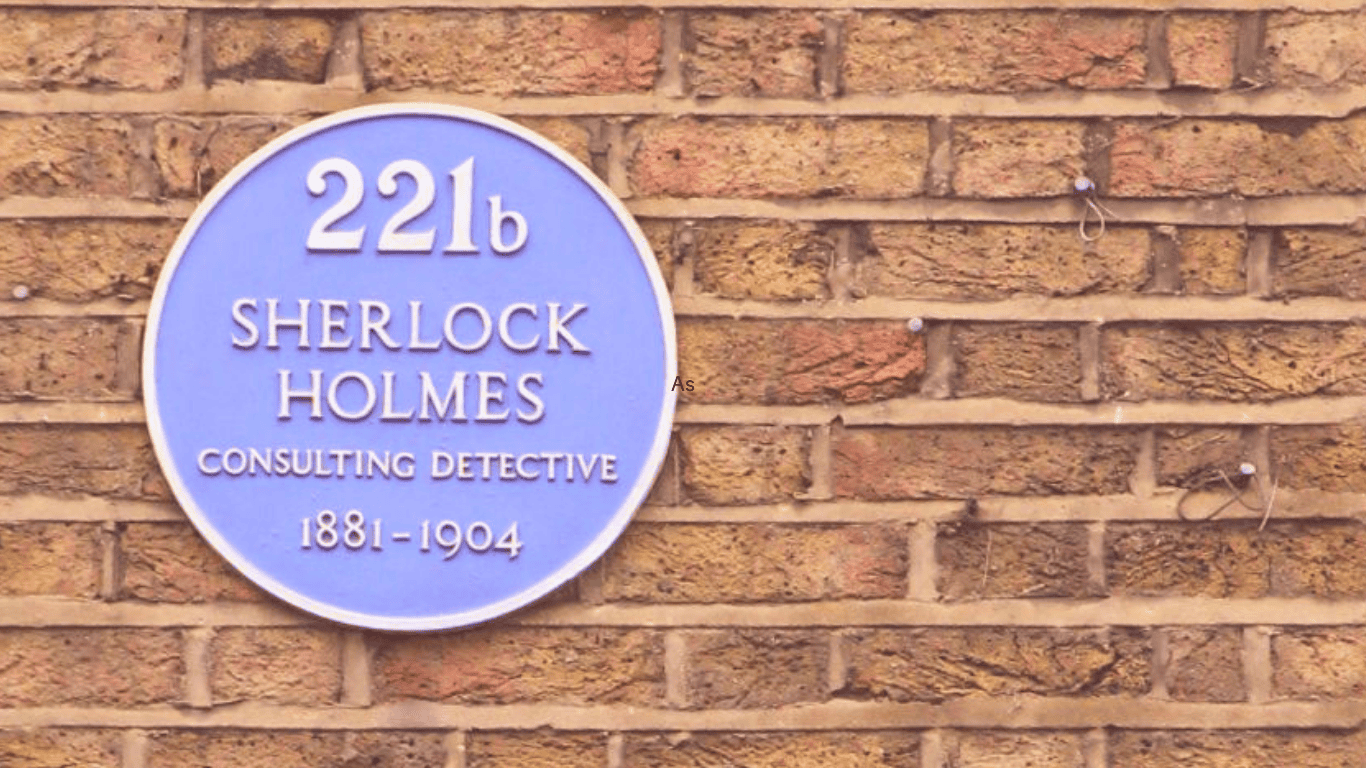
That’s the pattern worth noticing. The law doesn’t force anyone to actively repair a listed building – it can restrict what you’re allowed to do to it, but it can’t compel restoration. So it’s community pressure, local campaigning and public funding that actually turn “at risk” into “saved,” not legislation alone. Projects like Historic England’s Missing Pieces initiative (crowdsourcing photos of heritage sites from the public) and the nationwide Blue Plaque scheme exist to keep heritage feeling like something people can play an active role in, rather than something locked behind an admission fee.
Admiring behind a rope barrier…
Despite all of this, there is a tension running through the entire 150-year history of heritage protection. The question that remains today – is a historic building an artefact to be preserved exactly as it was, or a living space that should keep serving the people around it?
Morris and Webb’s original argument treated old buildings almost like monuments – untouchable relics of “bygone art” that modern hands shouldn’t meddle with. It’s a compelling view but it sits at odds with how most heritage sites survive in practice: not sealed off, but adapted, reused, and woven back into daily life.
In architecture, there is a continued back and forth between “How do we preserve this perfectly?” and “How do we make sure this place still has a future where people can live, work and gather?” That is the question we, as Conservation Architects, sit with on every heritage project we take on.
—
Megan Land is part of the Heritage team at Lee Evans Partnership